

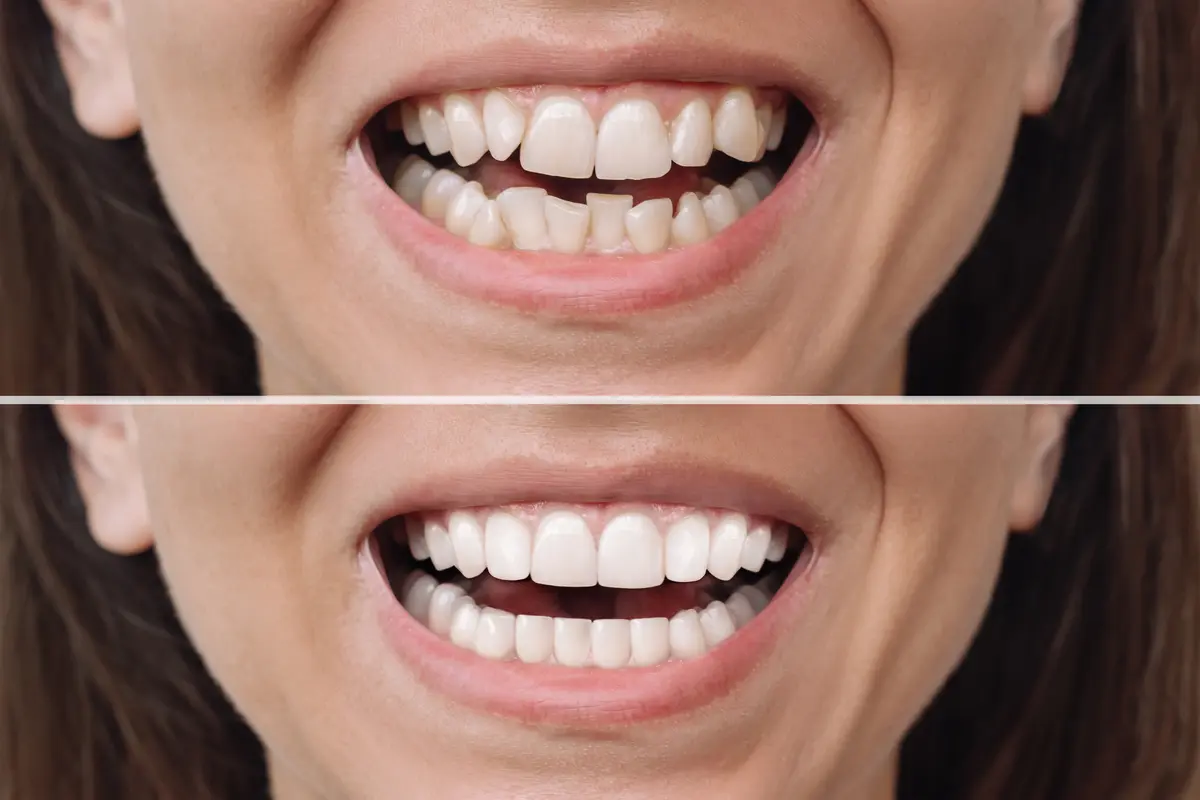
The Art of Modern Dental Enhancement
The landscape of cosmetic dentistry has undergone a remarkable transformation in recent years, with advanced composite bonding techniques emerging as a cornerstone of aesthetic dental treatment. This versatile procedure has revolutionised the way dental professionals approach smile makeovers, offering patients an accessible pathway to achieving their desired aesthetic outcomes without the need for extensive surgical interventions.
Composite bonding represents a sophisticated blend of artistry and scientific precision, where skilled practitioners utilise tooth-coloured resin materials to enhance, reshape, and restore teeth to their optimal appearance. The technique has gained considerable traction amongst both dental professionals and patients, particularly those seeking composite bonding Bournemouth services, due to its minimally invasive nature and impressive aesthetic results.
Understanding the Science Behind Composite Materials
The foundation of successful composite bonding lies in understanding the sophisticated chemistry of modern bonding materials. Contemporary composite resins are engineered with advanced polymer matrices that provide exceptional durability whilst maintaining natural translucency. These materials are formulated with varying particle sizes and optical properties, allowing practitioners to select the most appropriate composition for each specific clinical scenario.
The bonding process itself involves a meticulous preparation phase where the tooth surface is carefully conditioned to create optimal adhesion. Etching solutions are applied to create microscopic irregularities in the enamel surface, followed by the application of bonding agents that form a molecular bridge between the natural tooth structure and the composite material. This chemical adhesion ensures long-lasting results that can withstand the daily stresses of normal oral function.
Material Selection and Shade Matching
One of the most critical aspects of achieving exceptional aesthetic outcomes involves the careful selection and layering of composite materials. Modern practitioners employ sophisticated shade-matching techniques, utilising natural and artificial lighting conditions to ensure seamless integration with existing tooth structure. Advanced dental bonding innovations have introduced multi-chromatic layering techniques that replicate the complex optical properties of natural teeth, including translucency variations and surface characterisation.
Advanced Application Techniques and Clinical Protocols
The mastery of composite bonding extends far beyond material selection, encompassing sophisticated application techniques that distinguish exceptional practitioners from their peers. Contemporary protocols emphasise the importance of moisture control and isolation, with rubber dam placement becoming increasingly standard for optimal bonding conditions. The layering technique itself requires considerable skill, with experienced clinicians building up composite materials in incremental layers to achieve optimal polymerisation and aesthetic depth.
Temperature management during the bonding process has emerged as a critical factor in achieving superior results. Pre-warming composite materials enhances their handling characteristics and reduces the likelihood of void formation, whilst controlled curing protocols ensure complete polymerisation throughout the restoration. Modern dental bonding procedures and applications demonstrate the importance of these refined techniques in achieving predictable clinical outcomes.
Finishing and Polishing Protocols
The final stages of composite bonding involve meticulous finishing and polishing procedures that transform the restoration from a functional repair to an aesthetic masterpiece. Sequential polishing systems utilising diamond-impregnated instruments and polishing pastes create surface textures that mimic natural enamel characteristics. Proper contouring ensures optimal emergence profiles and contact relationships, contributing to both aesthetic appeal and long-term periodontal health.
Clinical Applications and Treatment Planning
Advanced composite bonding techniques find application across a broad spectrum of clinical scenarios, from minor cosmetic enhancements to comprehensive smile rehabilitations. Treatment planning considerations must account for occlusal forces, aesthetic requirements, and patient expectations. Contemporary innovations in dental bonding techniques have expanded the scope of treatable conditions, enabling practitioners to address complex aesthetic challenges with conservative approaches.
The versatility of composite bonding makes it particularly suitable for addressing spacing irregularities, minor rotations, and colour discrepancies. When properly executed, these restorations can provide decades of service whilst maintaining their aesthetic integrity, making them an excellent investment in oral health and personal confidence.
Future Directions in Aesthetic Dentistry
The evolution of composite bonding techniques continues to advance rapidly, with emerging technologies promising even greater aesthetic potential. Digital workflow integration, improved material formulations, and enhanced bonding protocols represent the future of conservative aesthetic dentistry, ensuring that patients can achieve their desired outcomes through minimally invasive approaches that preserve natural tooth structure whilst delivering exceptional aesthetic results.